
 Search



As the POLICY ANSWERS project draws to a close, coordinator Elke Dall reflects on four years of research and innovation cooperation across the Western Balkans; the achievements, the challenges, and the path ahead.
POLICY ANSWERS: What do you consider the most significant achievement of the POLICY ANSWERS project?
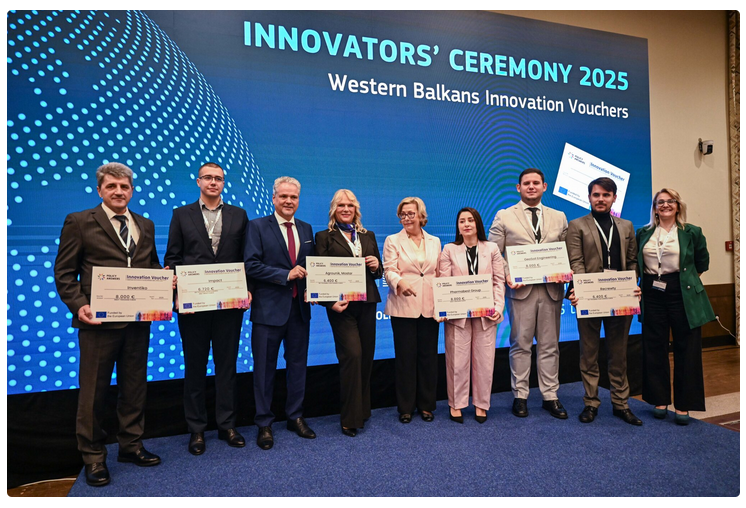
Elke Dall: It is difficult to single out one achievement as the most significant. In fact, my perspective is that many of the project’s impacts extend beyond what is immediately visible, as POLICY ANSWERS reached a wide range of stakeholders through its mobility grants, innovation vouchers, awards, training and capacity-building activities. In some cases, the project may simply have provided the right information at the right time, hopefully triggering new collaborations, projects, start-ups or scientific insights.
We do collect evidence of these effects through satisfaction surveys and reports from beneficiaries, and these indicate that the project has contributed to broader transitions, including the green and digital transformation and developments in health systems. Importantly, we also observe cultural shifts: researchers in the Western Balkans increasingly recognise that programmes such as Horizon Europe are accessible to them.
There are also ripple effects by providing evidence and opportunities for exchange of good practices that can create long term impacts. The Western Balkans have evolved in these four years of project implementation and we as project partners and our institutions have also changed. I also interpret our interactions in the project through the lens of science diplomacy: I believe that the links we created in the consortium and the cooperation we supported through our activities contribute to stable and constructive relations, new partnerships and increased trust.
Having said that and coming back to your question, probably the most significant achievement of the project is that we managed to successfully connect local, practice-oriented activities, such as the collaboration between universities and SMEs leading to improved and new products, and the broader regional and European policy landscape.
POLICY ANSWERS: What were the most complex or challenging aspects you had to navigate during the project?
E.D.: For me personally? It was probably to understand the opportunities and challenges at the right moment during the implementation. Sometimes small adaptations of the timeline or the thematic priorities can lead to much higher impacts.
A key aspect of my role as coordinator was to mediate between the flexibility and constraints required for effective stakeholder engagement and use of Horizon Europe funding. With the support of the European Commission, we successfully managed to adapt some activities or timelines in order to maximise effectiveness and value for money.
What I found particularly encouraging was the commitment of the project team. Many colleagues consistently went “the extra mile” to ensure high-quality cooperation and results.
POLICY ANSWERS: What key recommendations would you give to those who will continue this work within the POLICY ENLARGE project?
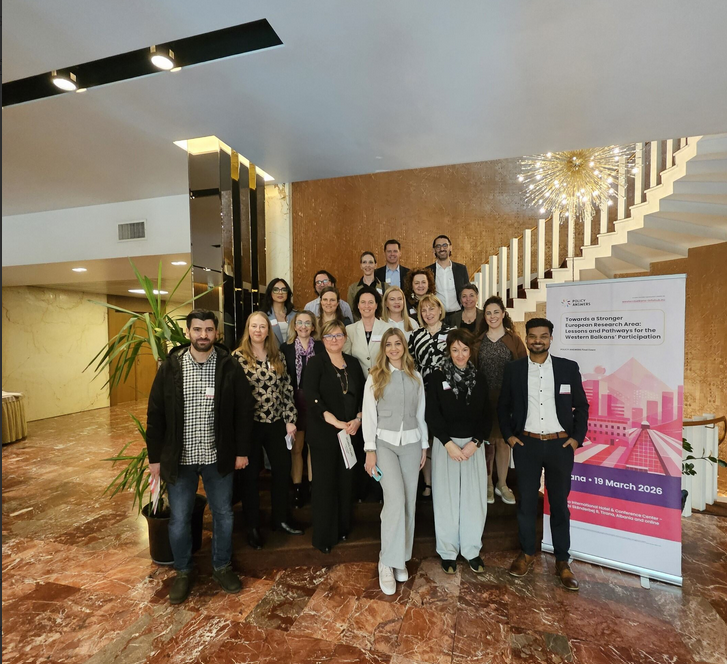
E.D.:My main recommendation would be to maintain the collaborative spirit established and to build systematically on the project’s and the region’s success stories. EU enlargement is a complex, merit-based process in which research and innovation play a strategic role. POLICY ANSWERS illustrated how cooperation can strengthen regional ties and enable the circulation of knowledge across borders. Building on these experiences, all stakeholders should be invited to work towards a more integrated and resilient research ecosystem in the Western Balkans and support its continued alignment with the European Research Area. Projects such as POLICY ENLARGE can make meaningful contributions by keeping the broader objective in view while ensuring high-quality implementation at the operational level. Attention to detail and strategic orientation must go hand in hand.
This interview was conducted in March 2026.